
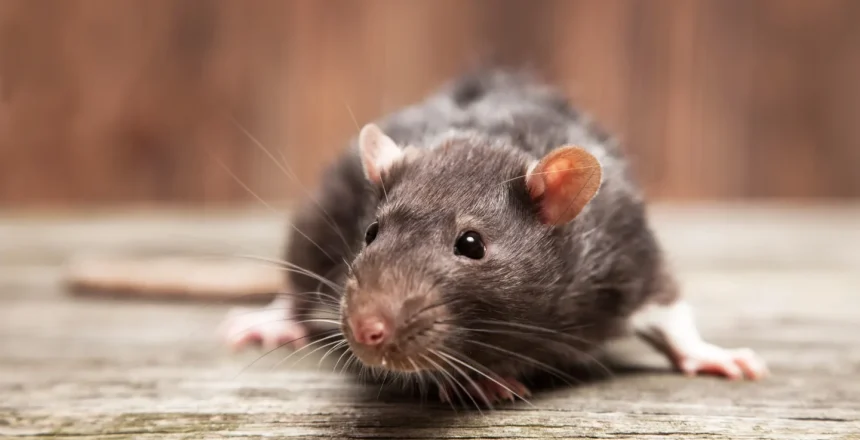

Rats are notorious for being not only a nuisance but also a significant health hazard in homes and businesses alike in the Collinsville, IL area. As carriers of various diseases and capable of causing considerable structural damage, effective rat control is crucial. While there are numerous methods available for tackling rat infestations, traps remain one of the most reliable and humane solutions. This blog post explores the most effective types of rat traps and how best to use them.
Snap Traps
Snap traps are some of the most classic and commonly utilized traps for rats. These traps are effective because they kill rats instantly, reducing suffering. They are also reusable and economical. Snap traps are best set along walls or paths where rats frequently travel, as rats tend to stick close to walls due to their poor eyesight. It’s important to use a sufficient size trap designed for rats, as smaller traps meant for mice will not be effective. Baiting these traps with peanut butter, bacon, or dried fruit can increase their effectiveness.
Electronic Traps
Electronic rat traps are a modern solution that provides a quick and humane kill. These traps work by delivering a high-voltage shock to kill the rat instantly upon entry. They are generally more expensive than other traps but are highly effective and can be used in multiple instances without the need for resetting. Electronic traps are ideal for indoor use, particularly in homes and commercial spaces in Collinsville, IL where discretion is needed, as they contain rats and prevent other wildlife from accessing the deceased animal.
Live Catch Traps
For those who prefer a humane approach without harming the rats, live catch traps are an excellent choice. These traps capture rats alive, allowing for their relocation. It’s crucial to check these traps frequently to avoid distress or harm to the captured rat from being confined for too long. When using live traps, placement is key; they should be placed where rats are active but away from areas readily accessible to children or pets.
Glue Traps
Glue traps are a controversial choice due to their inhumane nature, as they trap the rat without killing it, leading to distress and prolonged suffering. If used, they should be checked very frequently, and rats found should be disposed of humanely and quickly. These traps may be useful in situations where other types of traps fail, especially in capturing smaller, younger rats that might not trigger a snap or electronic trap.
Bait Stations
Bait stations are not traps in the traditional sense but are enclosures that hold rat poison safely away from pets and children. While effective for reducing rat populations, they come with increased risk, especially in homes with other animals or small children. Bait stations should be used as a last resort and placed in areas completely inaccessible to non-target species.
Placement and Safety Tips
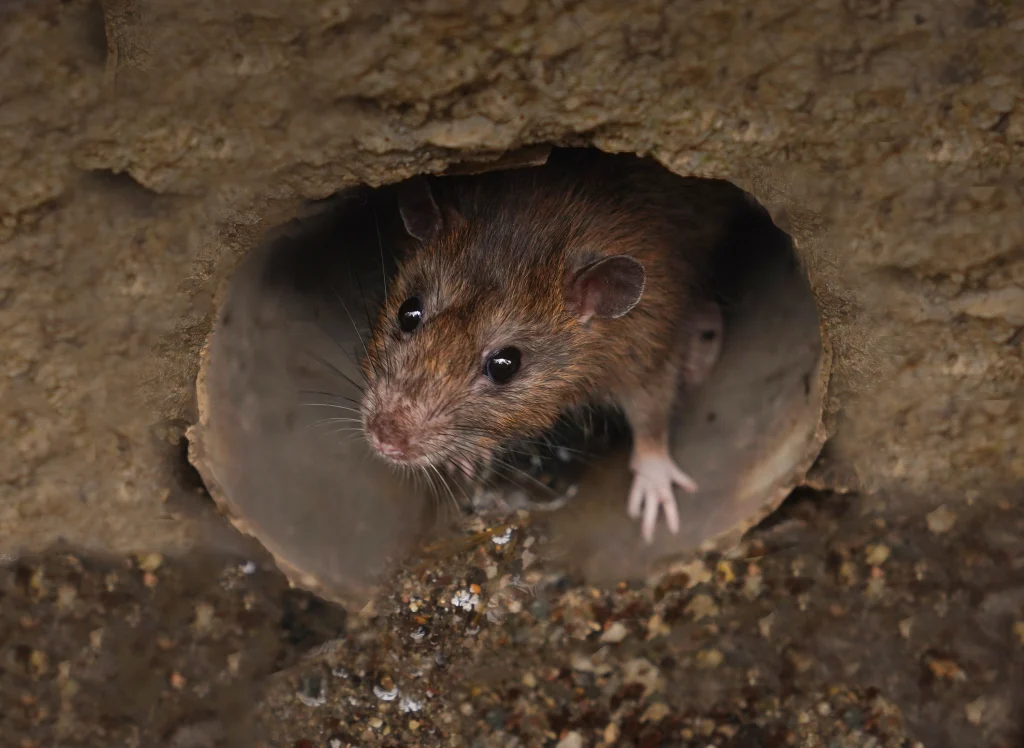
Regardless of the type of trap chosen, placement is critical. Rats usually follow specific trails marked by greasy marks, footprints, or droppings. Placing traps along these trails increases success rates. Safety should always be a priority; wear gloves when handling traps and wash hands thoroughly after setting or disposing of a trap.
If you are looking for a pest control company who can help you set up traps for rats in Collinsville, IL, call IMEL Pest Control.