

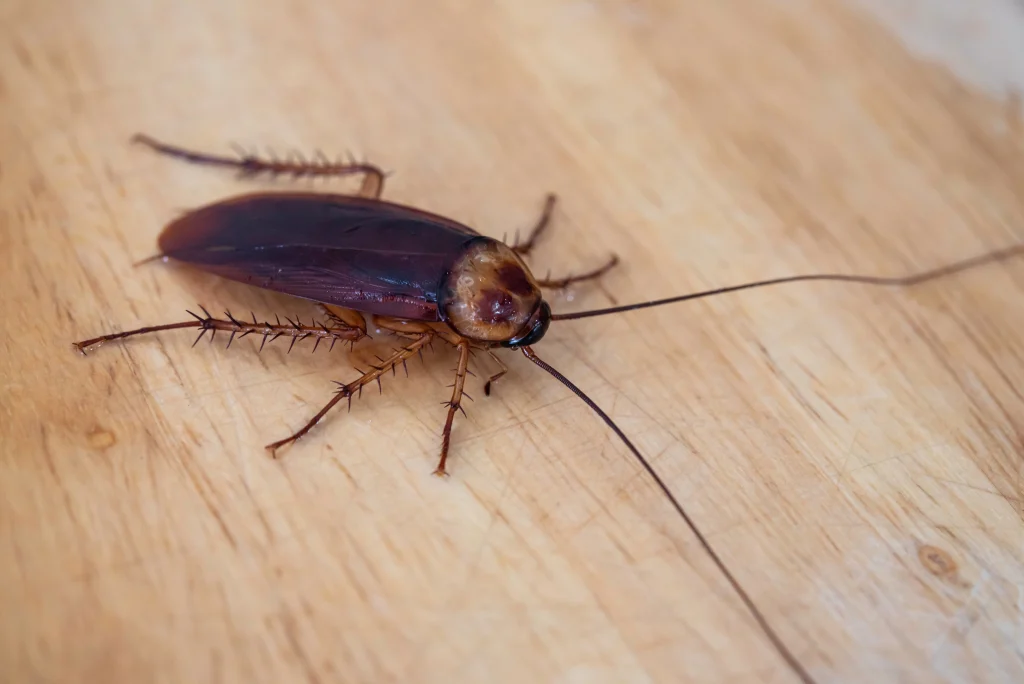
Cockroaches are among the most resilient and troublesome pests found in Alton, IL homes and businesses worldwide. Understanding the life cycle of cockroaches is crucial for effective pest control. This blog post will delve into the stages of a cockroach’s life and offer insights into strategies for effective cockroach management.
The Life Cycle of Cockroaches
Cockroaches go through three cycles: egg, nymph, and adult. This process is known as incomplete metamorphosis, which is typical of many insect species.
1. Egg Stage: The life cycle begins when the female cockroach produces an egg case known as an ootheca. Depending on the species, an ootheca can contain anywhere from 16 to 50 eggs. The female may carry the ootheca with her until the eggs are ready to hatch, or she might deposit it in a safe, hidden location.
2. Nymph Stage: Once hatched, the emerging young cockroaches are called nymphs. These nymphs are typically white but darken to the usual brown or black color within a few hours. Nymphs resemble smaller versions of adult cockroaches but lack wings. Through a series of molts, they shed their exoskeletons and grow. This development phase can vary from a few months to over a year, depending on environmental conditions such as temperature and humidity.
3. Adult Stage: Once a nymph has undergone multiple molts, it matures into an adult. Adults have fully developed wings but may not necessarily fly. The lifespan of an adult cockroach can vary widely, with some living up to a year, further complicating control efforts.

Effective Cockroach Control Strategies
- Sanitation and Maintenance: The first step in effective cockroach control is to eliminate food sources, water, and hiding places in your Alton, IL home. Cockroaches are attracted to food remnants, particularly greases and starches. Regular cleaning of floors, countertops, and hidden spaces reduces the food sources that attract cockroaches. Fixing leaks and maintaining dry environments can also discourage their presence, as cockroaches require moisture to survive.
- Sealing Entry Points: Cockroaches can enter through very small spaces. Sealing cracks and crevices in walls, around baseboards, inside cabinets, and under doors can help prevent their entry. This is particularly effective when done in conjunction with regular maintenance and sanitation.
- Baiting and Traps: Cockroach baits are an effective method for controlling infestations. These baits contain a slow-acting insecticide incorporated into a food attractant. Once cockroaches feed on these baits, they return to their hiding places and die. The delayed action of the insecticide allows them to potentially contaminate other cockroaches, enhancing the effectiveness of the bait. Traps, such as sticky traps, can help monitor and reduce cockroach populations by trapping the nymphs and adults.
- Chemical Treatments: In cases of severe infestation, chemical treatments may be necessary. Insecticidal sprays, dusts, and aerosols are effective when applied to cockroach hideouts and breeding areas. However, these should be used judiciously and preferably by professionals, as improper use can lead to health hazards and resistance in cockroach populations.
- Professional Pest Control: Sometimes, despite best efforts, cockroach infestations can persist. In such cases, enlisting the help of professional pest control services can be the most effective approach. Professionals can assess the infestation level, apply appropriate treatments, and advise on preventive measures.
Hire a pest control company who can keep your home safe from cockroaches and other pests. Call IMEL Pest Control today.