

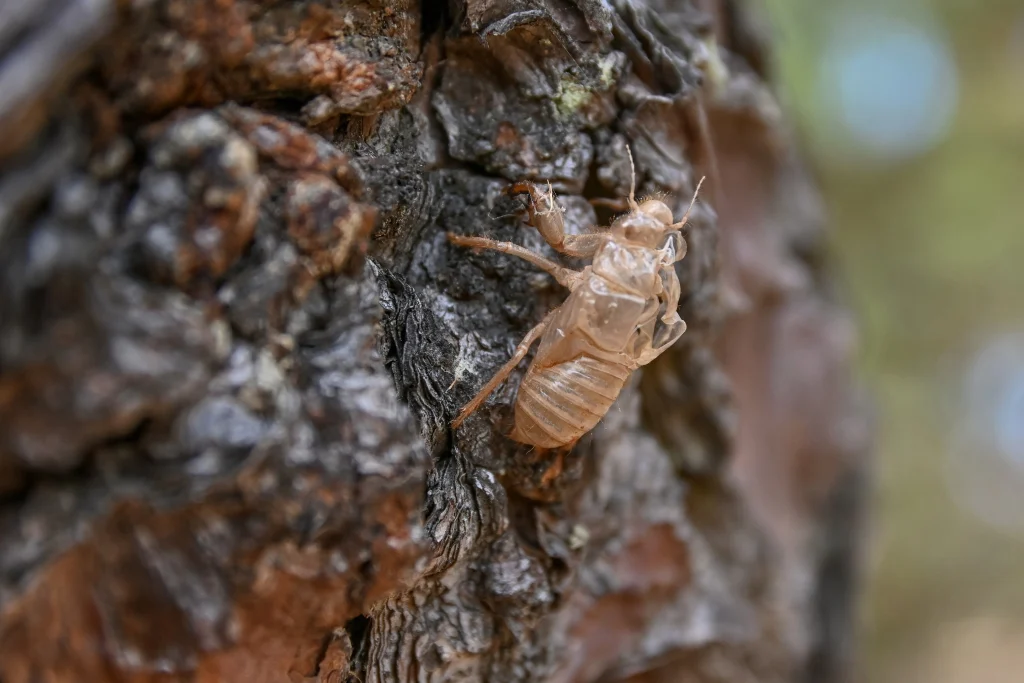
Each year in late July and early August, residents of Roxana, IL are treated to the unmistakable buzzing soundtrack of cicadas. While their evening chorus signals that fall is just around the corner, many homeowners still wonder what these noisy, winged insects are really all about. Let’s dive into the facts, debunk the myths, and provide modern tips to keep your property protected in 2025.
What You Should Know About Cicadas
Cicadas have fascinated entomologists and startled homeowners for generations. With over 3,000 known species worldwide, they’re most commonly found in the eastern United States—including right here in Roxana, IL. Some cicadas appear every summer, while others emerge in dramatic waves every 13 or 17 years, as is expected in parts of Illinois in 2025. Often mistaken for locusts, cicadas are actually a separate species entirely. Cicadas are often mistaken for locusts, but they’re actually more closely related to aphids and leafhoppers than to grasshoppers.. Despite their size and volume, these insects pose little to no threat to humans or homes. Most of their lives are spent underground as nymphs, quietly feeding on tree roots. When it’s time to emerge, they crawl out by the thousands to molt, mate, and lay eggs before dying just a few weeks later. Adult cicadas only stick around for two to four weeks, making their time above ground short but hard to miss.
Are Cicadas Dangerous or Destructive?
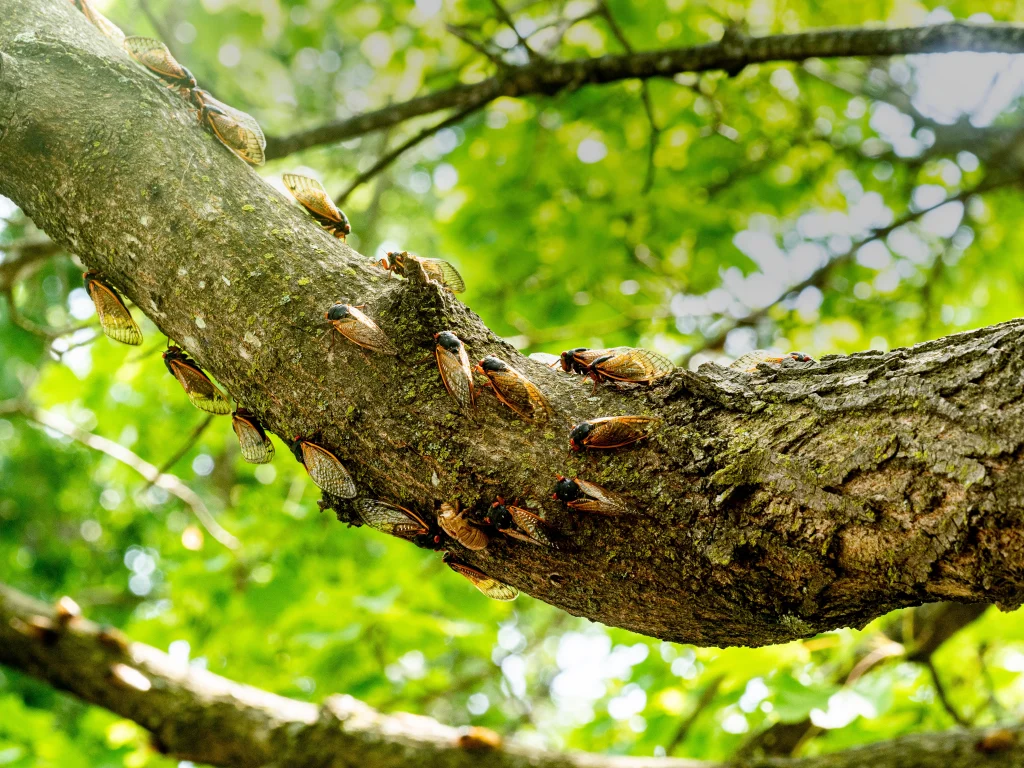
Cicadas may appear overwhelming when they cover trees, patios, and fences, but they don’t bite, sting, or damage homes. In fact, cicadas play a helpful role in the ecosystem by loosening compacted soil, pruning weak tree limbs, and providing a valuable food source for birds, squirrels, and other wildlife. That said, cicadas can cause minor problems for young trees and shrubs. When females lay eggs, they may slice into thin branches, which can stress or deform saplings. If you’ve recently planted ornamental or fruit trees, it’s wise to cover them with fine mesh netting until cicada season winds down. Cicadas are also oddly attracted to the sound of power tools. Lawnmowers, trimmers, and chainsaws can mimic the frequency of male mating calls, causing female cicadas to swarm in confusion. While harmless, it’s definitely an annoyance if you’re trying to get yardwork done in peace.
Cicada Control & Prevention Tips for Roxana, IL Yards
Generally speaking, cicadas are more of an inconvenience than a real problem. But there are a few simple steps homeowners in Roxana can take to reduce cicada activity on their property:
- Avoid planting new trees in the spring leading up to a major brood year, especially if your area is predicted to see heavy emergence.
- Protect vulnerable saplings with tree netting that has holes no larger than ¼ inch. This helps keep cicadas from damaging delicate branches during the egg-laying process.
- Try to tackle noisy outdoor tasks earlier in the day when cicadas are less active to minimize the chance of drawing a crowd.
- Keep windows and doors tightly sealed to prevent a few curious cicadas from buzzing indoors.
- After peak emergence, clean up dead cicadas promptly to avoid attracting scavengers like raccoons or rodents.
Should You Call Pest Control?
In most situations, cicadas don’t need any pest control treatment. But if their presence starts to interfere with your outdoor activities—or if you’re seeing other pests take advantage of the increased activity—it might be time to call in the pros. A pest control specialist can inspect your yard, provide guidance for protecting vegetation, and make sure no other insect issues are hiding in plain sight.
Need help preparing your yard for cicadas or managing other outdoor pests? Reach out to Imel Pest Control today to schedule a professional inspection and keep your Roxana property pest-ready all season long.