
Did you know some ants can fly? It may sound surprising, but these winged insects are a real issue for homeowners in Belleville, IL—especially during spring and early summer. If you’ve seen them around your windows or kitchen, it might be time to act. Flying ants can be managed effectively with the right strategy. Here’s what you need to know about spotting them, understanding the risk, and preventing future invasions.
Common Facts About Flying Ants
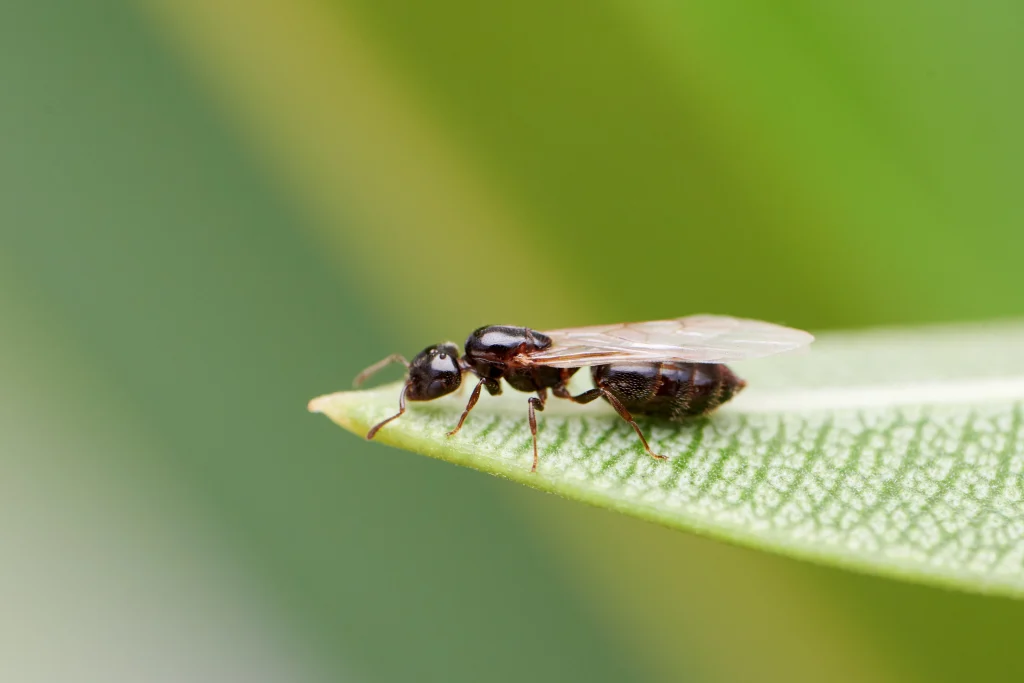
Flying ants behave much like their ground-based counterparts, but their appearance can catch you off guard. These ants typically emerge in swarms during their mating season, which usually occurs between April and July in the Belleville, IL area. You might spot them gathering near windows, patio doors, or around any sweet, uncovered food in your kitchen. Humidity and seasonal rains often trigger their flight, making spring a peak time for activity. While they’re often harmless in small numbers, swarms can indicate a developing colony nearby—possibly within your home.
Flying Ants vs. Termites: Know the Difference
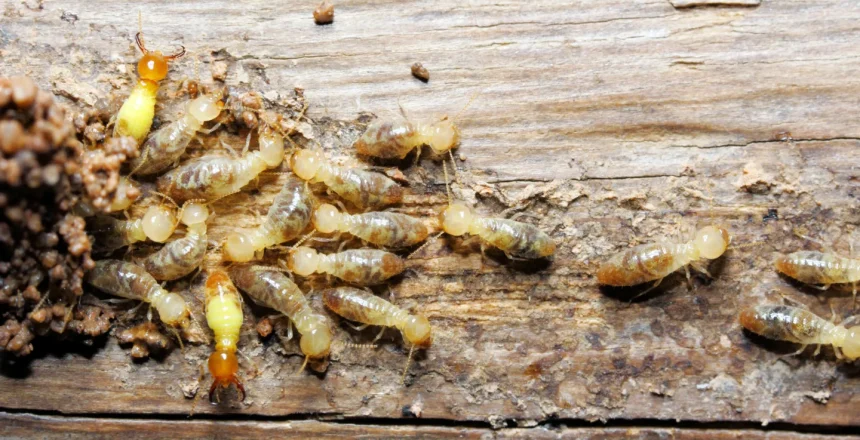
Before addressing the issue, it’s important to know what you’re dealing with. Flying ants and termites may look similar, but the treatment strategies are very different.
Key physical differences:
- Wings: Flying ants have two pairs of wings, with the front pair being longer than the back. Termites, however, have four wings that are all equal in size.
- Waist: Flying ants feature a distinct, pinched waist, whereas termites have a more evenly shaped, streamlined body.
- Antennae: Ants have bent or elbowed antennae, whereas termite antennae are straight.
If you notice discarded wings on windowsills or near doors, there’s a good chance termites are to blame. Termites shed their wings after swarming—an early warning sign of an infestation.
How to Eliminate Flying Ants
Once you’ve confirmed it’s a flying ant issue, the next step is control. Finding their nesting sites can be difficult without training, as they often hide in damp, sheltered areas.
Common nesting spots include:
- Under bathtubs
- Inside wall voids
- Beneath old wooden decks or fences
- In rotting tree stumps or landscaping timber
Flying ants prefer cool, moist spaces that are free from human disturbance. These areas often go unchecked until a full-blown problem arises. While DIY sprays may provide temporary relief, the most effective solution is to bring in professional help. IMEL Pest Control near Belleville, IL specializes in locating and eliminating flying ant colonies. We use targeted treatments that not only eliminate the current problem but also help prevent reinfestation.
Flying Ant Prevention Tips for 2025
Preventing flying ants is a lot like stopping regular ants—it’s all about denying access to food, moisture, and shelter.
Here’s what you can do:
- Keep kitchens clean: Wipe down counters, seal sweet foods, and sweep up crumbs regularly.
- Fix moisture problems: Repair leaks and improve ventilation in crawlspaces, attics, and basements.
- Trim landscaping: Cut back shrubs and tree branches that touch your home. These can serve as bridges for pests.
- Seal entry points: Inspect window screens, caulk cracks, and weather-strip doors.
Using insect growth regulators (IGRs) or perimeter treatments can also be effective for long-term prevention. For year-round protection in Belleville, IL, schedule regular inspections with a trusted local pest control provider.
Dealing with flying ants—or termites—can be frustrating and stressful. You’re not alone in dealing with it—help is just a call away. At IMEL Pest Control, our licensed exterminators are trained to quickly identify the source of the problem and eliminate it with safe, effective methods. If you’re seeing signs of an infestation in your Belleville, IL home—or just want peace of mind—give us a call today. We’ll inspect your home, confirm the pest type, and offer expert recommendations to restore comfort and safety. Keep your home protected with reliable, professional pest control.