
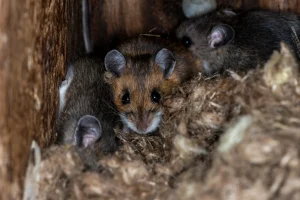
Despite its charming appearance, the deer mouse (Peromyscus spp.) can be a dangerous creature, serving as the primary carrier of hantavirus, a severe and potentially deadly disease.
Named for its resemblance to a miniature deer, this mouse boasts a grey to reddish-brown upper body, complemented by a white underbelly and legs. Its tail displays a two-toned pattern with darkness on top and whiteness on the sides and underside. With its large, expressive eyes and distinctive leaf-like ears, the deer mouse presents a deceivingly adorable visage.
3 Strategies for Deer Mouse Control
Many of the same methods used to control common house mice can be applied to deer mice. However, it’s crucial to exercise caution to avoid direct contact with these rodents. As deer mice primarily dwell outdoors and seek indoor shelter only during cold spells, prevention and control efforts often focus on outdoor areas and blocking potential entry points into your home.
Promote Natural Predators
Various natural predators can help keep deer mouse populations in check around your residence, as these mice prefer outdoor environments and are especially vulnerable to predation.
Owls and other raptors, as well as certain snake species and hunting mammals like foxes and coyotes, are proficient hunters of mice and small rodents. If you inhabit an area where such natural predators exist, it’s advisable to welcome their presence rather than fear it.
Employ Traps
Deer mice can be captured using the same types of traps designed for common house mice. When utilizing lethal traps, take care not to handle the mice directly with your bare hands. Consider using protective breathing masks and gloves when disposing of mice and when cleaning up nests or droppings.
Outdoor trapping is an option, and live traps can be used, particularly for those living in areas where other wild creatures like chipmunks and squirrels may be inadvertently caught. It’s important to note that live trapping raises the risk of disease exposure and transmission. If you choose this method, exercise utmost caution when handling the live mouse and the trap.
Employ Rodent Baits/Poisons
The same rodenticides used to combat house mice and rats can effectively eliminate deer mice within your home. However, it’s crucial to use these chemicals in a manner that safeguards humans and pets from accidental ingestion. Avoid using rodenticides outdoors, where dogs and desirable wildlife may come into contact with them. Always adhere to label instructions when employing rodenticides.
What Attracts Deer Mice?

Similar to many other rodents, deer mice are drawn to areas with a readily available food and water supply, along with shelter from the elements. Unlike house mice, which tend to reside indoors year-round, deer mice primarily feed outdoors on plant seeds and fruits, seeking indoor refuge only during harsh weather conditions.
Preventing Deer Mouse Infestations
To reduce the likelihood of a deer mouse infestation in your home, consider implementing these preventive measures:
Seal any holes and gaps in your home or garage, especially since deer mice often seek indoor shelter when the weather turns cold. Inspecting and sealing gaps should be part of your annual winterizing routine.
Store exposed food securely to make it less appealing and accessible to rodents and other pests. Deer mice have a particular fondness for seeds, fruits, and other dried foods, so ensure that birdseed and pet food are stored in sealed, impenetrable containers.
Keep areas near your home free of brush piles, tall grass, and dense foliage, as these are common habitats for deer mice.
If you have a Deer Mouse infestation in O’Fallon, IL, contact Imel Pest Control for an evaluation to solve this potentially dangerous problem.